Climate Risk in Arid Markets Is More Than a Temperature Map
By Omar Khalil · 2026-03-19
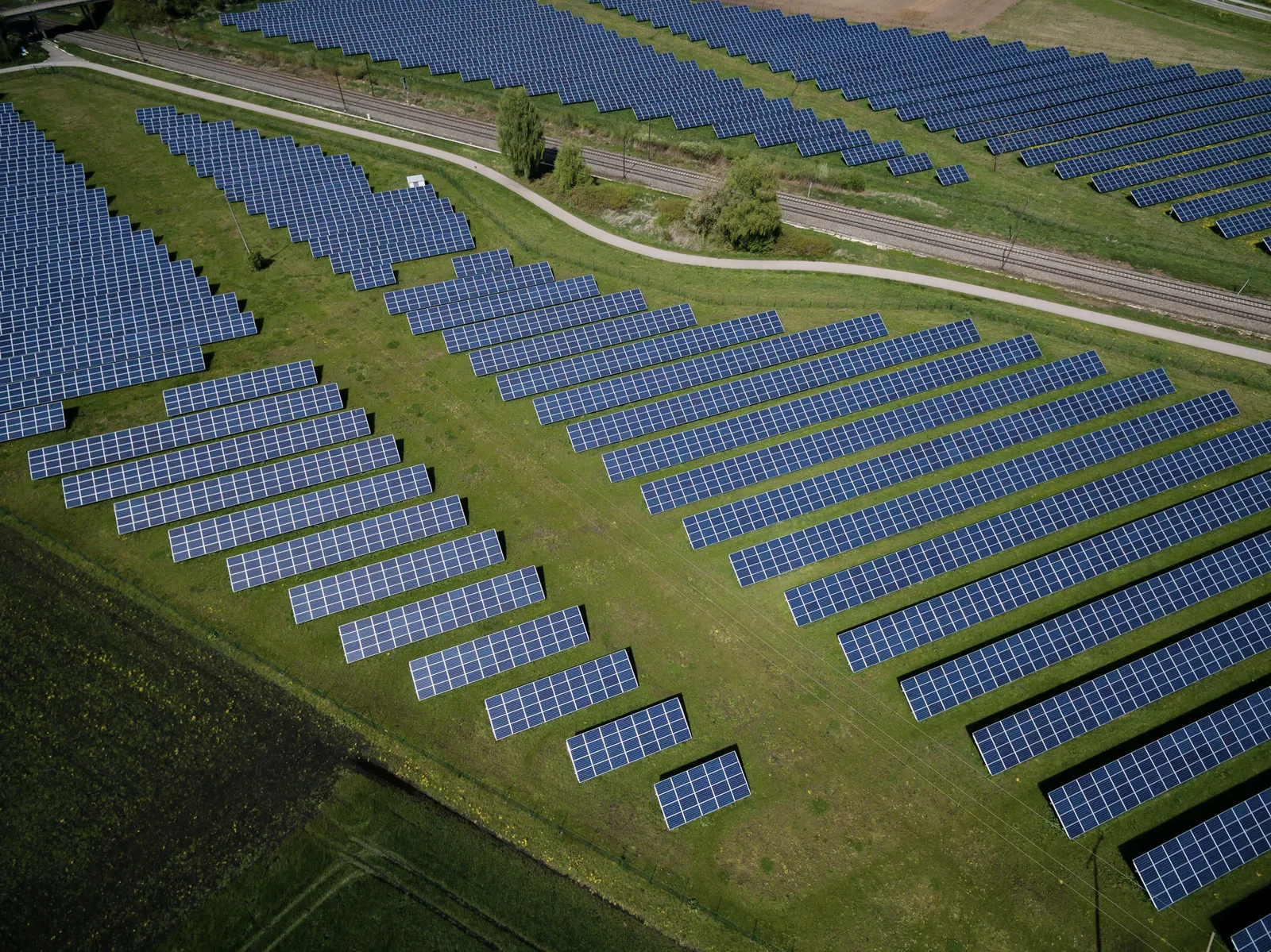
Heat and water hazards become financially useful only when exposure, vulnerability, operating thresholds, and adaptation choices are assessed together.
A hazard map can show where extreme heat or water stress may intensify. It cannot, by itself, explain whether a warehouse will lose productivity, a hotel will face higher operating costs, or a manufacturer will exceed a process threshold.
Decision-grade assessment starts with exposure: which assets, suppliers, employees, and revenue streams are located in affected areas? It then examines vulnerability, including building systems, water sources, cooling capacity, workforce practices, maintenance standards, and business continuity arrangements.
Thresholds turn climate data into operational evidence. These may include the temperature at which outdoor work slows, the water quality required by a process, the maximum cooling load a system can carry, or the number of access routes needed to keep an asset operating. Different assets in the same city can therefore have very different risk.
Time horizons must match decisions. A one-year budget, a five-year maintenance plan, and a thirty-year asset life should not rely on a single undifferentiated risk score. Scenario ranges are most useful when they inform a specific decision and make uncertainty visible.
Adaptation should be prioritized by avoided disruption, co-benefits, cost, lead time, and lock-in risk. Better controls, maintenance, and operating procedures may be immediate actions; equipment upgrades can align with replacement cycles; site or design decisions require longer horizons. The aim is an investable resilience plan, not a decorative heatmap.